
LITHIUM BATTERY RECYCLING / RECYCLING PROFITABILITY
Is lithium-ion battery recycling profitable?
Examine the market outlook for lithium-ion battery recycling, the factors that affect profitability, and ways to improve returns through feedstock sourcing, recovery technology and the reuse of recovered materials.
Estimated reading time: 9 min
QUICK ANSWER
What determines whether lithium-ion battery recycling is profitable?
Profitability depends on the value of recovered products and the complete cost of purchasing, transporting and processing the feedstock. Battery chemistry, material losses, Black Mass quality, settlement terms, price changes and inventory also affect the result. Improvements should be assessed against actual settlement income and all associated costs.
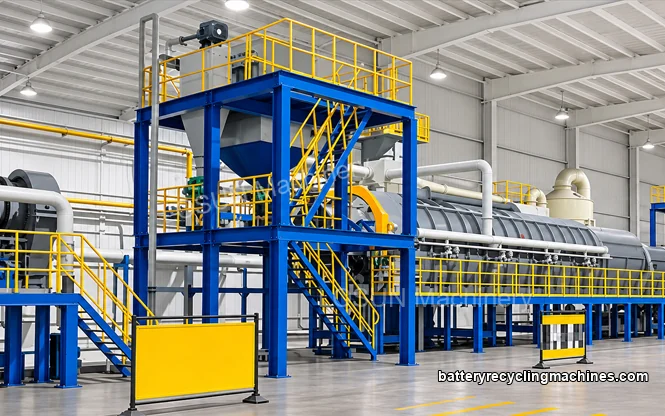
With the rapid adoption of new energy vehicles and electronic equipment, the volume of discarded lithium batteries is increasing year by year. If these retired lithium batteries are not properly handled, the heavy metals and electrolytes they contain can pollute the environment. Lithium batteries contain abundant valuable metals. High-value materials can be extracted through crushing, separation and purification using professional lithium battery recycling machines. What is the future market outlook for lithium battery recycling? Is lithium battery recycling profitable?
Is Lithium Battery Recycling Profitable?
Technological Innovation Improves Recovery Efficiency and Value
Technological innovation, such as the adoption of more effective separation technologies, chemical treatment methods and advanced recycling equipment, can improve the recovery efficiency of valuable metals such as lithium, cobalt, nickel, copper and aluminum. It can reduce recycling costs and increase the value of recovered materials. Advancing recycling technology is key to improving profitability in the industry.
Growing Market Demand
With the rapid development of the new energy vehicle industry, demand for raw materials such as lithium and cobalt will continue to grow. Obtaining these raw materials through recycling offers advantages in both environmental impact and cost compared with mining virgin ores. Waste lithium batteries will therefore become increasingly important as a source of raw materials.
Policy Support and Subsidies
To promote a circular economy and environmental protection, many countries and regions have begun introducing policies that support the recycling and treatment of waste batteries, including incentives such as subsidies and tax concessions. These policies will help improve the economic returns of recycling enterprises.
What Factors Affect the Profitability of Lithium Battery Recycling?
1. The Purchase Price of Waste Lithium Batteries Determines the Initial Profit Margin
Raw material costs include not only the purchase price, but also the transport, loading and unloading, testing and necessary pretreatment costs borne in procurement.
Complete vehicle battery packs, individual cells and electrode production scrap are different types of feedstock, each requiring a different recycling process. On a per-tonne basis, the value of the valuable metal materials that can actually be recovered varies considerably. If the feedstock contains many structural components and miscellaneous materials, a low purchase price does not necessarily mean better recycling returns.
When purchasing each batch, we need to ensure consistency between the sample and the material actually delivered. If the condition of the feedstock changes substantially, the original quotation may no longer be valid. During procurement, representative testing, delivery standards and dispute resolution terms should be assessed.
2. Battery Chemistry and Product Mix Affect Revenue Sources
Lithium cobalt oxide batteries, ternary lithium batteries and lithium iron phosphate batteries cannot use the same revenue model. The former generally require assessment of components such as nickel, cobalt, manganese and lithium, while LFP projects cannot assume revenue from nickel and cobalt.
Production scrap and retired batteries should also be assessed separately. Scrap from a clearly identified source may reduce some front-end work, but the corresponding procurement competition and pricing conditions may also differ.
We need to establish data according to lithium battery chemistry, form and source, rather than applying a uniform "profit per tonne of waste batteries" to all lithium batteries.
3. Material Losses and Processing Costs Jointly Affect Unit Returns
Target materials may leave the process with copper and aluminum, separated light fractions, fines or other residual material streams. Recording only the weight of Black Mass does not allow these losses to be assessed.
At the same time, more complete liberation and separation may also increase energy consumption, wear-part consumption and recirculating material loads. Whether improved technical performance generates more profit requires a comparison between the additional product value and the additional expenditure.
We also examine the causes of downtime. Frequent blockage clearing, adjustments and component replacements reduce actual output, spreading fixed costs such as labor and rent over less material. Lowering product quality to increase processing speed may instead increase reprocessing and sales deductions.
4. Black Mass Quality and Trading Terms Affect Final Settlement
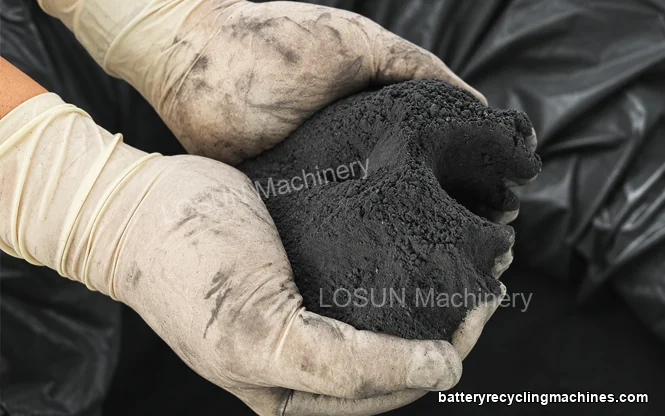
Black Mass revenue depends on the battery material chemistry, assayed content, moisture, impurities and pricing terms. The payable factor is a commercial parameter and must not be confused with the equipment recovery rate.
Using different dry-basis and wet-basis conventions for procurement and sales may also lead to errors in assessment. Black Mass pricing specifications define moisture conditions, impurity conditions, copper and aluminum content standards, and other requirements.
Responsibility for transport, quality deductions, retesting and payment timing also affect net revenue. A customer offering a higher price may not provide greater actual business value if the offer includes more deductions or a longer payment period.
5. Price Fluctuations, Inventory and Business Responsibilities Change Profit Results
When product prices rise, feedstock purchase prices may rise at the same time. We should examine the full price spread rather than looking only at movements in lithium, nickel or cobalt prices.
The time lag between procurement pricing and sales settlement also exposes inventory to price changes. Holding inventory for longer periods not only ties up capital, but may also increase warehousing and quality management costs.
The business model determines how risks are allocated. Buying waste lithium batteries outright requires assuming product sales and inventory risks, while toll processing requires ensuring that the service fee covers the contracted work. The operation of environmental protection facilities, residue treatment, testing and necessary compliance expenditure must all be included in costs. Accounting profits must not be created by omitting these expenses.
How Can Lithium Battery Recycling Profits Be Improved?
1. Develop More Lithium Battery Feedstock Collection Channels
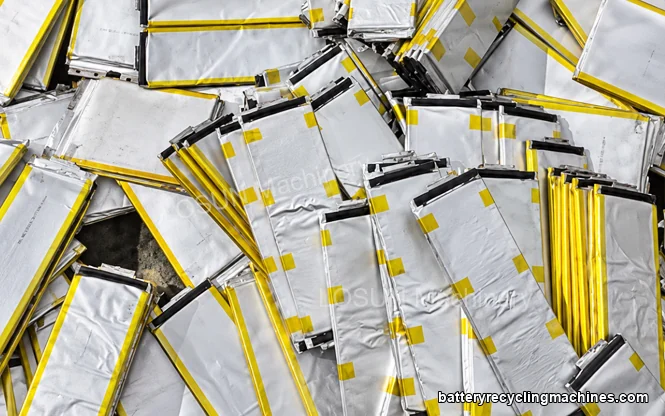
A stable feedstock supply helps reduce idle time for lithium battery recycling machines. However, as procurement channels increase, classification and quality management also need to be strengthened. We recommend working with lithium battery manufacturers, vehicle repair and dismantling companies, energy storage stations, professional recycling enterprises and scrap collection stations, according to the acceptance scope of the lithium battery recycling project. Production scrap, including cathode and anode foils, retired individual cells, complete traction batteries and waste individual lithium batteries should be assessed separately.
When comparing supply sources, also check the chemistry, material composition, residual charge, damage condition and delivery frequency. Complete vehicle battery packs may add dismantling work. Mixed battery feedstock from unidentified sources may increase testing and classification expenditure. Whether a purchase is economical cannot be judged solely by its unit purchase price.
We recommend first assessing output through representative samples and small-batch processing trials, then determining the purchase price and quantity for large batches. Recycling and processing records for different sources should be established gradually. We select feedstock that offers a reasonable processing margin and reduce dependence on a single collection channel. The objective of procurement through multiple channels is to improve supply stability and unit returns, rather than simply expanding inventory.
2. Efficient Recycling Technology and Professional Equipment
Efficient recycling technology and processes directly affect the output of qualified finished products, material losses and processing costs. We configure customized dismantling, crushing, liberation, screening and separation stages according to the feedstock, so that as much electrode material as possible enters the target product while impurities such as copper and aluminum are controlled.
For an existing lithium battery recycling production line, we first examine the weight and composition of each material stream before determining the direction of improvement. If electrode powder remains on the metal foils, the liberation conditions need to be checked. If Black Mass contains excessive metal inclusions, excessive size reduction of metals, screening or separation problems need to be investigated. Simply increasing crushing intensity may increase electricity consumption, wear and fines, and does not necessarily increase profit.
At LOSUN Machinery, we discuss equipment configurations around feedstock compatibility and the coordination of process stages, while also considering access for cleaning, maintenance and wear-part replacement. Our latest-generation lithium battery recycling machine separates Black Mass, copper and aluminum at higher purity with lower energy consumption. Investment in technology only makes business sense when the value of the improvement covers the additional cost.
3. Promote the Reuse of Recovered Products
Whether separated recovered materials can enter suitable downstream processes directly affects sales revenue. We recommend clarifying the acceptance requirements for Black Mass, copper and aluminum fractions, and other outputs before production, then establishing separation and quality control standards. This reduces repeated searches for buyers or reprocessing after the products have been produced.
Black Mass usually requires further hydrometallurgical extraction, purification or material regeneration and cannot be regarded directly as a raw material ready for manufacturing new batteries. Suitable reprocessing channels for copper and aluminum fractions should also be selected according to their metal content, adhering powder and other impurities. Maintaining clear source identification and consistent batches helps improve downstream blending conditions and reduce testing and settlement disputes.
Increasing the extent of reuse does not mean that metallurgical or refining systems must be added in-house. We can compare the net returns from direct sales, toll processing and further downstream processing, accounting for energy, reagents, environmental protection, transport and capital tied up. For separators and mixed residues, testing results and actual acceptance channels should also be confirmed before deciding whether further processing is worthwhile. Profit improvement should be based on actual settlement and complete costs, rather than theoretical material value alone.
04 / FAQ
Frequently Asked Questions
1. Is lithium-ion battery recycling always profitable?
Profitability depends on recovered-product revenue and complete operating costs. Feedstock prices, battery chemistry, material losses, product quality, sales terms and inventory exposure all affect the result. A low purchase price or a high theoretical metal value alone does not establish profit.
2. Can LFP and nickel-cobalt battery feedstocks use the same revenue model?
They should be assessed separately according to chemistry, form and source. LFP projects cannot assume nickel and cobalt revenue. Production scrap and retired batteries also require separate calculations because front-end processing, purchase competition and pricing conditions may differ.
3. Which costs should be included when purchasing waste lithium batteries?
Include the purchase price, transport, loading and unloading, testing and necessary pretreatment. Check that representative samples match the delivered material, and define delivery standards and dispute resolution terms before purchasing.
4. How do Black Mass quality and sales terms affect revenue?
Revenue depends on chemistry, assayed content, moisture, impurities and pricing terms. Dry-basis and wet-basis conventions must be consistent. Transport responsibility, quality deductions, retesting and payment timing also affect net revenue. The commercial payable factor is different from the equipment recovery rate.
5. Does more intensive crushing necessarily increase recycling profit?
More intensive crushing may increase electricity consumption, wear and fines without producing a corresponding increase in saleable product value. Examine each material stream and the causes of powder remaining on foils or metal contamination in Black Mass before selecting process improvements.
6. Must a recycling operation add its own hydrometallurgical or refining system?
Increasing reuse does not require adding these systems in-house. Compare direct sales, toll processing and further processing using net returns after energy, reagent, environmental protection, transport and financing costs. Confirm downstream acceptance requirements before deciding.
7. What information is needed to assess a recycling project's profitability?
Establish feedstock chemistry, form, source, condition and supply frequency. Use representative samples and small-batch trials, record material-stream weights and compositions, and confirm product acceptance and settlement terms. Include downtime, environmental operation, residue treatment, testing and necessary compliance costs in the assessment.
