SOLAR PANEL RECYCLING / EQUIPMENT SUPPLY
Solar Panel Recycling Machine for Sale
Based on module structure, throughput, and end-product requirements, we provide equipment configuration recommendations for solar panel dismantling, glass separation, and material sorting—clearly defining scope of supply, engineering interfaces, pricing,…
Estimated reading time: 8 min
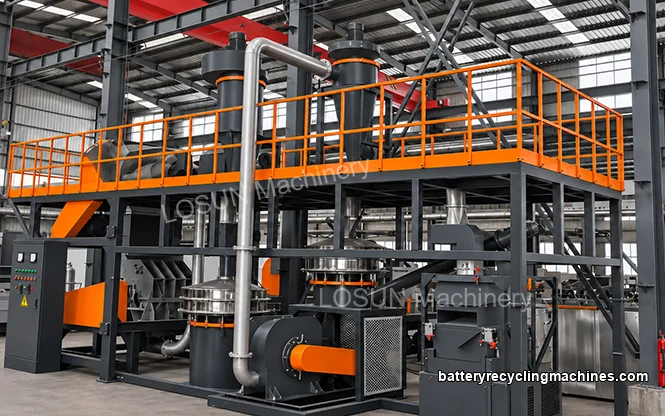
Focusing on the recycling needs of end-of-life solar panels, damaged PV modules, and manufacturing rejects, we supply equipment for solar panel dismantling (aluminum frame and junction box removal), delamination/stripping, and downstream valuable material recovery. Depending on your business scope, you can choose standalone machines, modular processing units, or complete turnkey lines. We define the exact scope of supply and equipment list tailored to your operational requirements.
Before purchasing, we need to confirm three core parameters: What types of solar panels do you plan to process? What is your target throughput? What end products do you aim to obtain? These inputs directly determine the technical process route, equipment specifications, and line configuration—ensuring that our quotation provides practical, accurate reference value.
1. How Do We Define the Equipment Scope of Supply?
Front-End Dismantling Equipment
If your primary goal is to recover aluminum frames and junction boxes, or to sell dismantled laminates directly to downstream processors, we focus on configuring feeding, positioning, junction box removal, deframing, and transfer equipment.
We first verify PV module dimensions, aluminum frame profiles, and damage conditions, clearly defining the acceptance range for automated stations versus materials requiring manual assistance. For frameless, severely deformed, or glass-shattered panels, we confirm dedicated feeding methods separately.
Glass Removal System
If cullet (crushed glass) is your primary finished product, we first confirm whether you are processing single-glass or double-glass modules before selecting the separation route.
Beyond measuring glass output weight, we inspect polymer residues, solar cell inclusions, metal impurities, and particle size distribution on the glass. A complete glass separation solution also requires verifying module condition, glass integrity, and downstream handling requirements.
Downstream Material Separation System
If you need to further separate solar cell materials, metals, and polymers, we evaluate configurations for crushing, liberation, multi-stage screening, and environmental/dust control systems.
In our technical proposal, we specify the expected physical form and downstream processing requirements for each material stream. Silicon or silver-bearing concentrates produced via mechanical-physical sorting require further metallurgical or chemical refining depending on end use, and cannot be delivered directly as high-purity raw materials.
| Procurement Scope | Key Items We Verify |
|---|---|
| Standalone Equipment | Feeding conditions, discharge format, and upstream/downstream interfaces |
| Front-End Dismantling Line | Frame removal, junction box separation, and laminate discharge destination |
| Glass Separation Line | Glass specifications, surface residues, and diversion of other material streams |
| Integrated Processing Line | Overall line load, quality of each output fraction, and residue disposal pathways |
2. How Do We Verify Feedstock Suitability?
We assess feedstock based on the module photos, dimensions, weights, structural designs, and breakage ratios you provide. If your solar panels come from multiple sources, we recommend submitting representative samples from each batch rather than relying solely on intact modules to represent your entire feedstock.
Solar PV modules typically consist of aluminum frames, junction boxes, glass, silicon solar cells, copper interconnects, and polymers. Each recycling stage is engineered to handle specific separation tasks. For single-glass and double-glass modules, we verify positioning, dismantling, and sorting parameters separately. For damaged modules, we inspect whether broken fragments can feed steadily into the machinery and whether additional receiving or clean-out measures are required.
In the technical agreement, we explicitly define:
Permitted module types, dimensions, and weight ranges;
Pre-sorting and preparation required prior to feeding;
Acceptable levels of breakage and deformation;
Non-acceptable materials or feedstocks requiring separate pilot testing;
Adjustment protocols when switching between different module types.
Note: The ability of a single line to accept multiple module types does not guarantee identical throughput rates or output quality across all feedstocks.
3. How Do We Determine Production Line Capacity?
We calculate required capacity based on your annual supply volume, shift schedules, and end-product specifications, then verify load balancing across every processing station.
PV module throughput is typically expressed in panels/hour or kg/h. When benchmarking capacity, we apply the average weight of the corresponding module type and specify whether measurements include frames and junction boxes:
Mass Throughput (kg/h) = Panels Processed per Hour X Average Module Weight (kg)
For example, modules of different dimensions and structures may yield vastly different mass flow rates even at the same panel-per-hour count. We never rely solely on deframing speed to represent overall line capacity; instead, we verify bottlenecks across glass separation, downstream crushing/screening, discharge, and packaging stages.
4. How Do We Select the Process Based on End-Product Requirements?
We typically obtain your downstream off-taker acceptance standards first before finalizing the required degree of separation.
Glass Cullet Sales: We focus on surface contaminants, fines, and metallic inclusions.
Metal Concentrates: We verify target metal content, impurity levels, and the off-taker's downstream refining requirements.
Based on these criteria, we evaluate mechanical separation, pyrolysis, or other tailored process routes rather than pre-selecting all equipment in the absence of feedstock testing. Because the delamination method directly affects downstream processing options, material value, and environmental performance, we evaluate delamination and subsequent material recovery as an integrated system.
During pilot trials, we separately record yields for finished products, recirculated middlings, fines, and residues. When evaluating recycling performance, we clearly distinguish between mass yield, target material recovery rate, and product purity, documenting the exact calculation methodology for each.
5. How Is Our Quotation Structured?
We prepare quotations strictly based on a confirmed equipment configuration list, rather than offering a lump-sum price without a defined scope of supply.
In our quotation package, we itemize equipment, auxiliary systems, and technical services separately, while clearly outlining the civil and site preparation work required from your side:
| Quotation Item | Scope Defined in Our Proposal |
|---|---|
| Main Equipment | Models, quantities, functions, and applicable operating conditions |
| Conveying & Collection | Hoppers, conveyors, container interfaces, and discharge methods |
| Electrical & Controls | Control cabinets, instrumentation, alarms, and safety interlocks |
| Auxiliary Facilities | Dust collection, ventilation, and other process utility interfaces |
| Shipping & Installation | Packaging, delivery terms (Incoterms), rigging, and installation responsibilities |
| Commissioning & Training | Service scope, site readiness prerequisites, and acceptance schedules |
| Spare Parts & Service | Initial spare parts, wear parts, and warranty coverage |
We also review operational expenditures (OPEX) with you, including labor, power consumption, cutting blades, screens, filter media, and routine maintenance needs. Where thermal, washing, or specialized treatment units are involved, we specify the corresponding utility requirements separately.
Beyond the equipment budget, you should also account for plant modifications, power distribution, installation engineering, raw material inventory, and working capital.
6. How Do We Plan Plant Layout, Installation, and Commissioning?
During the engineering proposal stage, we require your facility layout drawings, column grid spacing, clear ceiling height, floor load conditions, access doors, and power supply specifications. Based on these details, we verify equipment footprints, material flow directions, and maintenance clearances—preventing issues such as inability to replace components or obstructed product transfer after installation.
Our layout drawings reserve dedicated zones for raw material receiving, processing, packaging, and residue staging, while specifying piping, cabling, and utility tie-in points. If maintenance platforms or lifting hoists are required, we provide equipment load data for confirmation by your structural engineering team.
Once site preparation is complete, we carry out installation supervision and commissioning per the contract scope. During commissioning, we sequentially test individual machine functions, inter-process synchronization, feeding, discharge, monitoring, and safety interlocks before conducting trial runs with agreed feedstocks. Any punch-list items requiring rectification are logged and resolved prior to entering performance acceptance testing.
7. How Do We Define Equipment Acceptance Criteria?
We establish clear acceptance protocols during the procurement phase to prevent post-delivery disputes over the definitions of "throughput capacity" and "recovery rate."
Acceptance testing must be conducted using feedstock that meets the agreed design specifications, evaluating both throughput and product quality simultaneously. We pre-define test duration, weighing points, downtime accounting rules, and sampling procedures, while tracking internal machine holdup to prevent cross-batch interference.
Key acceptance criteria include:
Average fresh feed rate under agreed feedstock conditions;
Output weights and laboratory assay results for glass, metal fractions, and other streams;
Quantities of recirculated middlings, residues, and material losses;
Energy and utility consumption within the defined system boundary;
Alarm, interlock, and other contracted control functions;
Operation manuals, operator training, and handover documentation.
We verify equipment performance based on the technical agreement, test logs, and analytical lab results—never substituting short-term demonstrations or visual product appearance for formal acceptance.
08 / FAQ
Frequently Asked Questions (FAQ)
Do you offer standalone machine purchases?
Yes. We can configure standalone equipment for specific processing stages, provided we verify upstream/downstream workflows, material transfer points, and control interfaces to ensure seamless integration into your existing line.
Can your equipment process both single-glass and double-glass modules?
We verify compatibility separately based on your module samples and selected line configuration. The exact operating range, parameter adjustments, and corresponding capacities are explicitly defined in the technical proposal.
Can you configure a small-scale production line?
Yes. We evaluate compact line configurations based on your feedstock volume and end-product goals while retaining essential collection, safety guarding, and auxiliary systems. For phased expansions, we pre-engineer future tie-in interfaces.
Can you provide a fixed equipment price upfront?
We must first confirm the exact scope of supply. Pricing varies depending on module structure, target capacity, separation requirements, and on-site service conditions.
What information do I need to provide for an inquiry?
Please provide your project location, module photos, panel types, dimensions, average weight, breakage ratio, annual processing plan, target end products, and facility conditions. If you have downstream off-taker specifications, please include those as well.
Request a Solar Panel Recycling Solution
Submit your feedstock details and processing requirements to LOSUN Machinery, and our engineering team will define the pilot testing conditions, process configuration, engineering interfaces, and scope of quotation. If you already operate upstream or downstream equipment, please share your existing process flow and interface specifications so we can evaluate seamless integration for new additions.
